
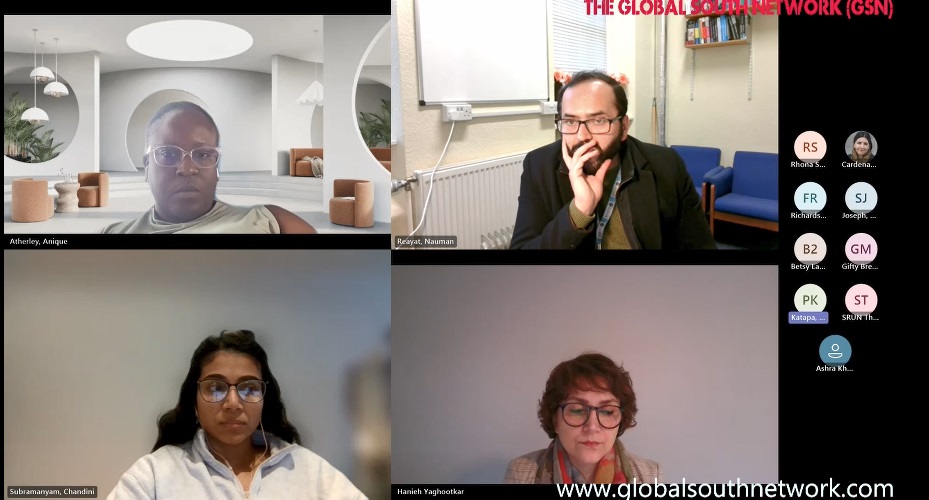
Health, wellbeing, and care are critical priorities in the Global South, as they directly impact development, productivity, and social stability. These regions face unique challenges, including a high burden of infectious and non-communicable diseases, inadequate healthcare infrastructure, and limited access to essential services, all of which exacerbate inequalities.
The importance of health in the Global South cannot be overstated. Good health is foundational to economic productivity and poverty alleviation. Without access to quality healthcare, individuals and communities remain trapped in cycles of illness and poverty. Preventable diseases like malaria, tuberculosis, and HIV/AIDS, alongside the rising prevalence of conditions like diabetes and heart disease, require sustained attention. Investing in health systems and expanding access to care can significantly improve life expectancy and quality of life.
Wellbeing encompasses more than just physical health. Mental health, social determinants, and environmental factors play a crucial role. Addressing mental health, often stigmatized and underfunded in many Global South countries, is essential for fostering resilient societies. Moreover, ensuring access to clean water, sanitation, and nutritious food contributes to overall wellbeing.
Care is a critical element, especially for vulnerable populations such as children, the elderly, and those with disabilities. Strengthening primary healthcare systems, training community health workers, and integrating traditional knowledge with modern practices can enhance care delivery and reduce disparities. Universal health coverage is a vital goal to ensure equitable access to essential services.
By prioritizing health, wellbeing, and care, countries in the Global South can achieve more sustainable development, enhance human capital, and foster resilience against global challenges such as pandemics and climate change. International collaboration, funding, and innovative solutions are essential to bridge gaps and create equitable systems that support thriving communities.
PEOPLE

Dr Hanieh Yaghootkar
Dr Hanieh Yaghootkar is the head of Precision Health group at the University of Lincoln. Her team utilises sophisticated statistical methods, machine learning, artificial intelligence, and large-scale genetic association studies, along with human big data, to identify causal biomarkers for various diseases, including genetic biomarkers and biochemistry biomarkers. Their ultimate goal is to develop personalised prediction models and understand the underlying mechanisms of complex diseases, all with the aim of promoting personalised health. One key aspect of her research is recognising that not all individuals with obesity face the same vulnerabilities to metabolic and cardiovascular diseases, including diabetes and cardiovascular disease. They are investigating the distribution of fat internally in key organs (e.g., liver, pancreas, muscles), precisely derived from MRI scans, as an independent determinant of an individual’s risk for these adverse consequences.
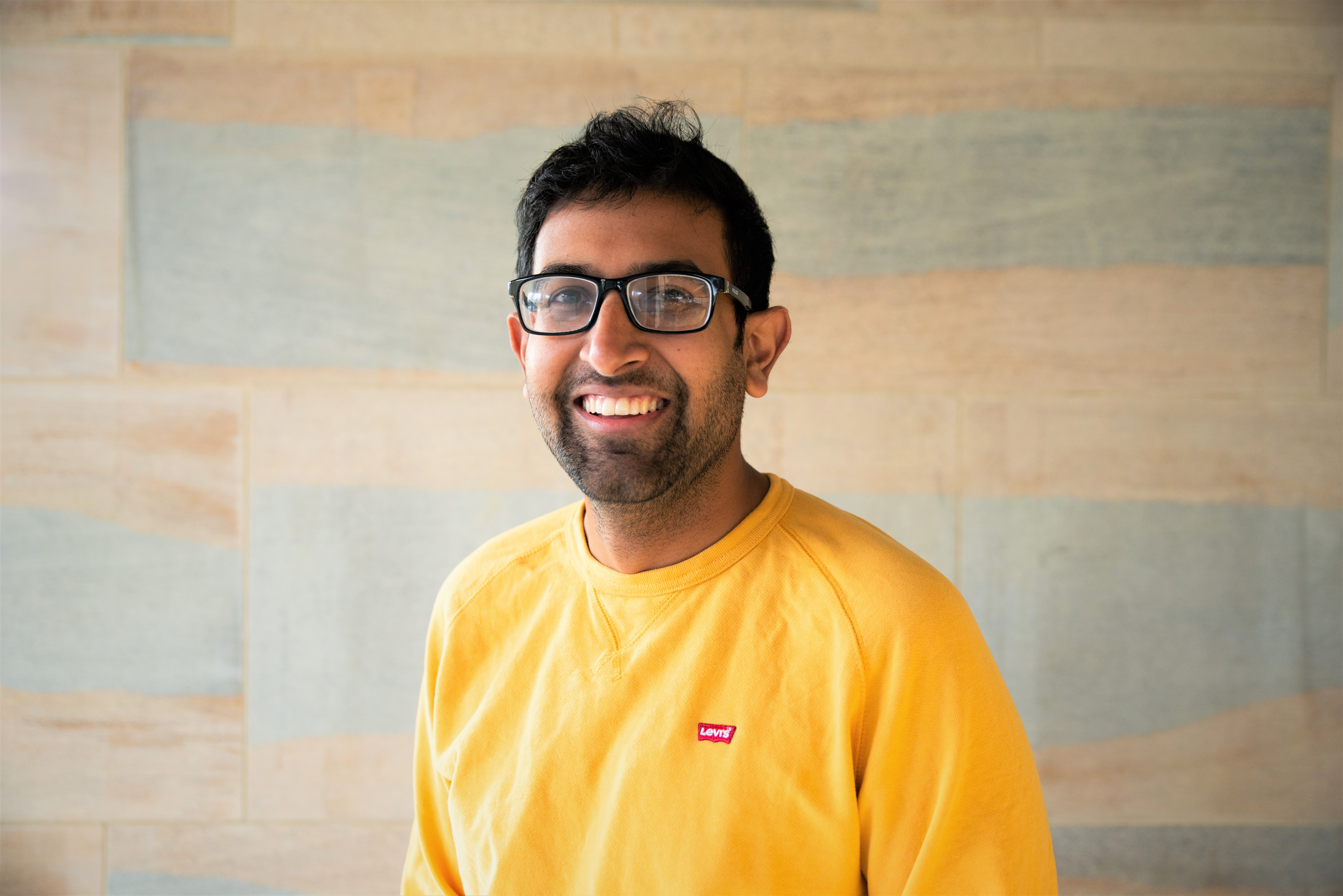
Dr Kanamik Khan
Dr Kanamik is a Lecturer in Social Work at the University of Essex and a registered social worker in England. He teaches BA and MA modules and supervises BA and MA dissertations and students on placements. He was previously a lecturer at the Eastern Institute of Technology, Aotearoa New Zealand. He holds a PhD in social work from Massey University, Aotearoa New Zealand, and an MPhil in public administration from the University of Bergen, Norway. He earned bachelor’s and master’s degrees from the University of Dhaka, Bangladesh. His research interests are socio-economic issues, sustainable development, human rights, healthcare, mental health, gender and sexuality, and social work issues.
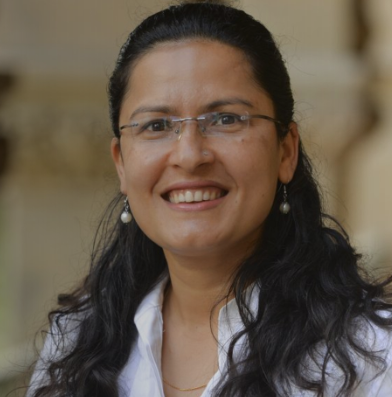
Dr Sarita Panday
Dr Sarita Panday is a Lecturer in Global Public Health at the School of Health and Social Care, University of Essex. She has expertise in Maternal Health and Community Health Systems, Health Policy and Practice, including health system strengthening, health inequalities and disaster resilience in the Global South. She has both quantitative and qualitative research expertise, but she is more interested in using qualitative research approaches. She has used participatory research approaches to build capacity of both urban and remote communities (e.g. participatory photos, participatory videos, participatory workshops, and participatory policy analysis). She enjoys working with academic and non-academic partners at national and international level.

Dr Tchilissila Alicerces Simões
Tchilissila is a full-time lecturer for the Leicester’s Doctorate in Clinical Psychology. She co-manages the East Midlands Mentoring Scheme and is one of the course’s academic tutors. She earned her Master’s degree from the University of Minho, Portugal, focusing on war-related posttraumatic stress in Angolan civilians residing in Portugal. She holds a PhD in Clinical Psychology, specialising in Family Psychology and Family Intervention, from the University of Coimbra, Portugal.
A pioneer studying the Angolan Family Life Cycle, Tchilissila explores ethnic and cultural specificities in family development. Her research interests include Black families and communities, particularly in family functioning, parenting, family rituals and routines, and family strengths and challenges. She advocates for the use of appropriate cultural lenses in clinical assessment and intervention. Tchilissila has worked and conducted research in Portugal, Angola, and the UK and is a registered, practising clinical psychologist with experience in the NHS and private practice.
 GLOBAL SOUTH NETWORK (GSN)