The Middle East is a region of vital global importance due to its geopolitical, economic, and cultural significance. As a key player in the global energy market, the Middle East holds a substantial portion of the world’s oil and natural gas reserves, making it critical to the global economy. The region also occupies a strategic geographic position, connecting Asia, Africa, and Europe, influencing global trade routes. Culturally, the Middle East is the birthplace of major world religions, including Islam, Christianity, and Judaism, and has a rich history that continues to shape global politics and religious dialogue. Additionally, the region’s ongoing political dynamics, conflicts, and peace efforts have a profound impact on international security and diplomacy
People

DR NAUMAN REAYAT
Nauman is the coordinator of this group. He is the Convener of the Global South Network and Convener, Constitutionalism in Developing Democracies, Socio-Legal Studies Association. He can be reached at leicgsn@gmail.com.
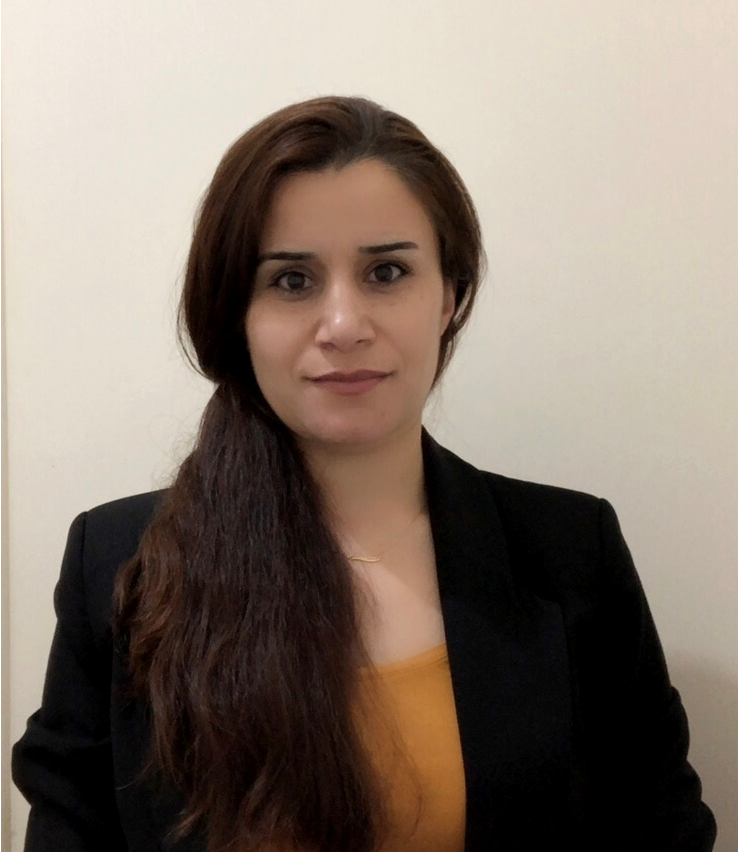
DR MAJIDA S ISMAEL
Majida S Ismael Holds a PhD in Law from University of Liverpool- England, LLM/MSc in Law and BA in Law and Politics form University of Dohuk, Kurdistan –Iraq. She is currently a Research Fellow at Liverpool John Moores’ Law School, and a former lecturer at the University of Dohuk’s Law School and the Polytechnic University of Dohuk. Dr Ismael is a leading expert in Constitutional law and federalism in Iraq and broader Middle East. Her research interests include constitutional law, the rule of law, transitional justice, multi-level governance, the right to self-determination, constitutionalism and judicialisation in emerging/ post conflict democracies. Majida has special interest in Judicialisation of politics and constitutionalism, federalism in developing and emerging democracies, and the constitutional courts’ position and role in transitional and new democracies, and would welcome any future collaboration. She has already published articles in King’ Law Journal (Judging Elections: The Constitutional Judiciary in Iraq’s Emerging Democracy).

DR ATEEK MUHAMMAD
Ateek is a Lecturer in Applied Linguistics and Language Education at the School of Education. I came to the UK in 2013 to do my PhD in Applied Linguistics and TESOL after fleeing the war in Syria. As a refugee academic and social justice activist, his research focuses on language and migration, language and identity, linguistic issues affecting refugees and migrants, minority language education and others. He has been invited as a keynote speaker and a guest to national and international events to talk about my research.
Prior to joining the University of Leicester, he worked as a Lecturer in Applied Linguistics and TESOL at Birkbeck, University of London, and as a Teaching Fellow in English Language and Applied Linguistics at the University of Reading. He also taught EFL/EAP in different countries in the Middle East and also in the UK. Previously, he worked as a TV journalist and was involved in making different investigatory reports on international contemporary stories as well as researching emerging news stories.
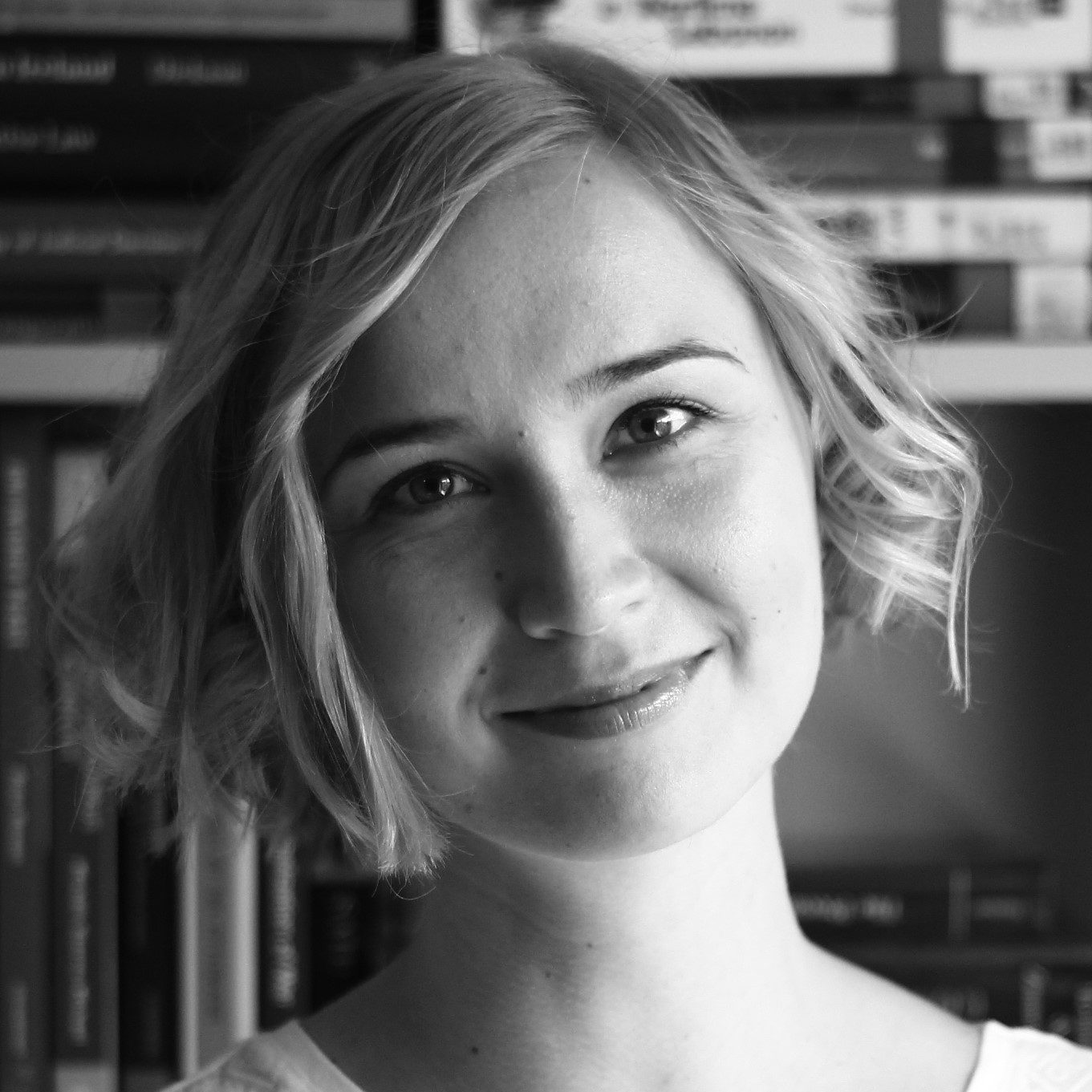
SOPHIA SCHROEDER
Sophia is a member of the Judicial Institute at University College London, where she is also completing her PhD. Her research focuses on the role of domestic courts for consociational systems of power-sharing and involves data collection through interviewing in Northern Ireland and Lebanon. She seeks to understand how courts react to consociations and the implications of their judgments for the broader political set-up.
Sophia was a Fellow at the Orient-Institut Beirut and a Visiting Doctoral Student at the Mitchell Institute for Global Peace, Security and Justice (Queen’s University Belfast) in 2022. She was also a Kathryn Davis Fellow for Peace at Middlebury College (Arabic) in 2021.

DR NURULLAH GORGEN
Nurullah Gorgen is a Teaching Fellow at Durham University, where he is interested in Public Law and Comparative Law. He worked as a visiting lecturer in Public Law at King’s College London between 2019-2023 and as a Lecturer in Pre-University Summer School/Law course at King’s College London in 2022.
He holds an LLB from Istanbul University, an LLM from the University of Reading and a PhD in Constitutional Law from the King’s College London. He was an Exchange Researcher at European University Institute.
He adopts interdisciplinary and socio-legal approaches. His research focuses on comparative Constitutional Law and politics, particularly analysis and review of the Branches of Government and their relationship with politics.

DR SAEED BAGHERI
Dr Saeed Bagheri is Lecturer (Assistant Professor) in International Law and the Director of Academic Tutoring (PGT) at the University of Reading School of Law. Prior to joining the University of Reading, Dr Bagheri was a Max Weber Postdoctoral Research Fellow at the European University Institute (EUI) from 2017-2019. Dr Bagheri’s scholarship has been cited by academic resources and official documents, including by the House of Lords of the United Kingdom (Order of Business: Economic Activity of Public Bodies – Overseas Matters) Bill Debate (April 2024), Vol. 837, No. 78, p. 229; the Law Council of Australia’s submission to Draft General Comment No. 27 of the UN Committee on the Rights of the Child on Children’s Rights to Access to Justice and Effective Remedies (August 2024); the German Federal Parliament (Deutscher Bundestag, WD2 – 3000 – 031/22, 2022), the Sexual Rights Initiative’s Submission to the United Nations Special Rapporteur on Unilateral Coercive Measures and the Right to Health (March 2023), the U.S. Peace Action Policy Briefing (2020), etc.
 GLOBAL SOUTH NETWORK (GSN)